From “Stop Bugging Me” to “I Hear You”

Can you PLEASE stop bugging me?
You finally sit down to work.
Your coffee is within reach. You know what you need to get done. You might actually finish something before lunch.
Then it starts.
“Mom, I’m bored.”
“Mom, look!”
“Mom, can I have a snack?”
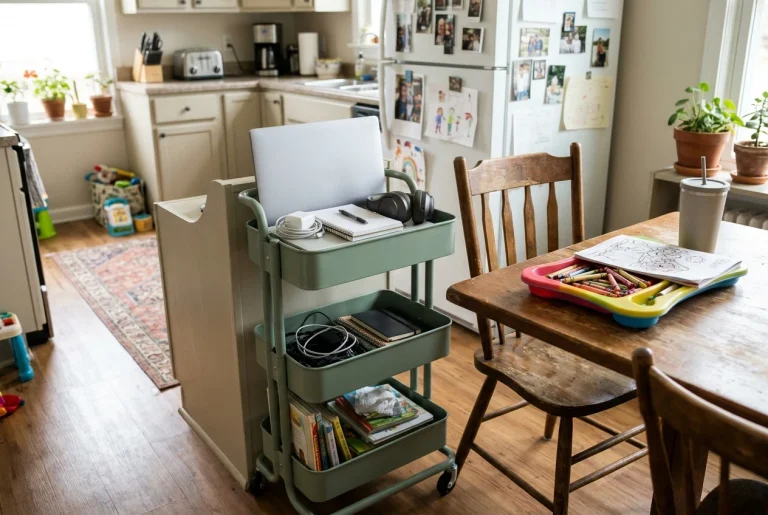
Apparently, opening your laptop sends a silent announcement through the house: Mom is available for absolutely everything.
By the 47th question, you’ve lost your train of thought, your coffee is cold, and out it comes:
“Can you PLEASE stop bugging me?”
And there’s the guilt. Right on schedule. Too bad nobody else in this house is.
Take a breath, friend. You had a rough moment. You’re juggling kids, work, meals, laundry, and a brain that would appreciate five minutes without another request.
You love your kids. You also need to finish the email.
Both are allowed.
What’s Behind the “Mom! Mom! Mom!”
Sometimes your child needs help. Sometimes they’re bored. Sometimes they need to show you a drawing of something that might be a horse. Best to ask before guessing.
And sometimes, they just want a little connection.
A quick “Do you see me?” before they head back to whatever very important business is happening under the kitchen table.
You don’t have to stop working every time they appear. But acknowledging them can make the wait a little easier.
The goal is simple: let them know you heard them, tell them what happens next, and follow through.
No elaborate parenting system required. We have enough passwords to remember.
Try This Before You Snap
1. Take one breath.
Just one. No need to roll out a yoga mat.
That tiny pause gives you a chance to answer before your patience packs a bag and leaves.
Look up, if you can, and say:
“I hear you, sweetheart.”
“I see you’ve got something to show me.”
“I’m listening. What do you need?”
You’re letting them know their message arrived. They can stop hitting resend.
2. Acknowledge what they need.
Keep it short and honest.
“You’re bored and want help finding something to do.”
“You worked hard on that picture. I want to see it.”
“You want me to come play.”
You don’t have to fix everything in that second. Start by showing them you understand.
And if they need help with something urgent, take care of that first. A missing purple crayon and an overflowing toilet require very different responses.
3. Give them a finish line they can understand.
“Later” is pretty vague when you’re little.
So is “in a minute” when Mom’s minute sometimes lasts until Thursday.
Try:
“When this timer rings, I’ll look at your picture.”
“I need to finish this email. Then we’ll pick something from your play basket.”
“When my call ends, you can tell me your story.”

Choose a wait they can manage. A preschooler may need a much shorter stretch and help getting started with an activity.
You can also give them somewhere to go with all that waiting:
“Would you like your coloring pages or your building bin while I finish?”
Two choices. Keep it manageable. Nobody needs a 14-option activity presentation.
4. Keep the promise.
When the timer rings, give them the attention you promised.
“Okay, show me what you made!”

Put the phone down. Look at the picture. Hear about the tower and its deeply complicated security system.
A couple of focused minutes can matter.
And if work runs over, tell them. “I need two more minutes” is better than leaving them wondering whether you forgot.
What If You Already Snapped?
You can go back and try again.
“I’m sorry I snapped. I was frustrated, and I spoke sharply. Let’s try that again. What did you need?”
You can apologize and still keep the boundary:
“I love you, and I need to finish my work. Let’s set the timer so you know when I’m ready.”
You don’t have to turn one rough moment into an all-day guilt festival. Repair it, make a clear plan, and keep going.
A Little More Connection. A Little Less Frustration.
Will this stop every interruption?
Let’s remain realistic. You still live with people who announce they’re hungry while actively eating.
But clear expectations and kept promises can help kids practice waiting. They can also help you protect a little work time without feeling like you’re constantly shooing everyone away.
It takes practice—for them and for you.
Start with one moment today:
“I hear you. I need five more minutes. When the timer rings, I’ll come see.”
Then keep that little promise.
You’re allowed to be a loving mom with work to do and limits on your patience. You don’t need to be available every second to show your kids they matter.
What’s the request you hear most when you sit down to work—snacks, boredom, or “come look at this”?
Your friend on the other end,
Wendy 💜